DUKE UNDERGRADUATE LAW REVIEW
The Duke Undergraduate Law Review (DULR) is Duke University’s premier undergraduate legal publication. DULR advances legal discourse by publishing print and online journals, covering an array of legal subjects. We seek to promote original, authentic, and ingenious legal scholarship.
Latest Print Issue
Volume I Issue II: Spring 2025
Featured Roundtable Contributions
By Alix Sztejman
The Fifth Amendment’s protection against self-incrimination stands as one of the most profound constitutional barriers against government intrusion, protecting the sanctity of human thought from compelled discourse. This constitutional safeguard was established to prevent the state from forcing a defendant into a confession. However, what occurs when the government is able to access the mind directly, superseding speech entirely?
By Ava DeBenedet
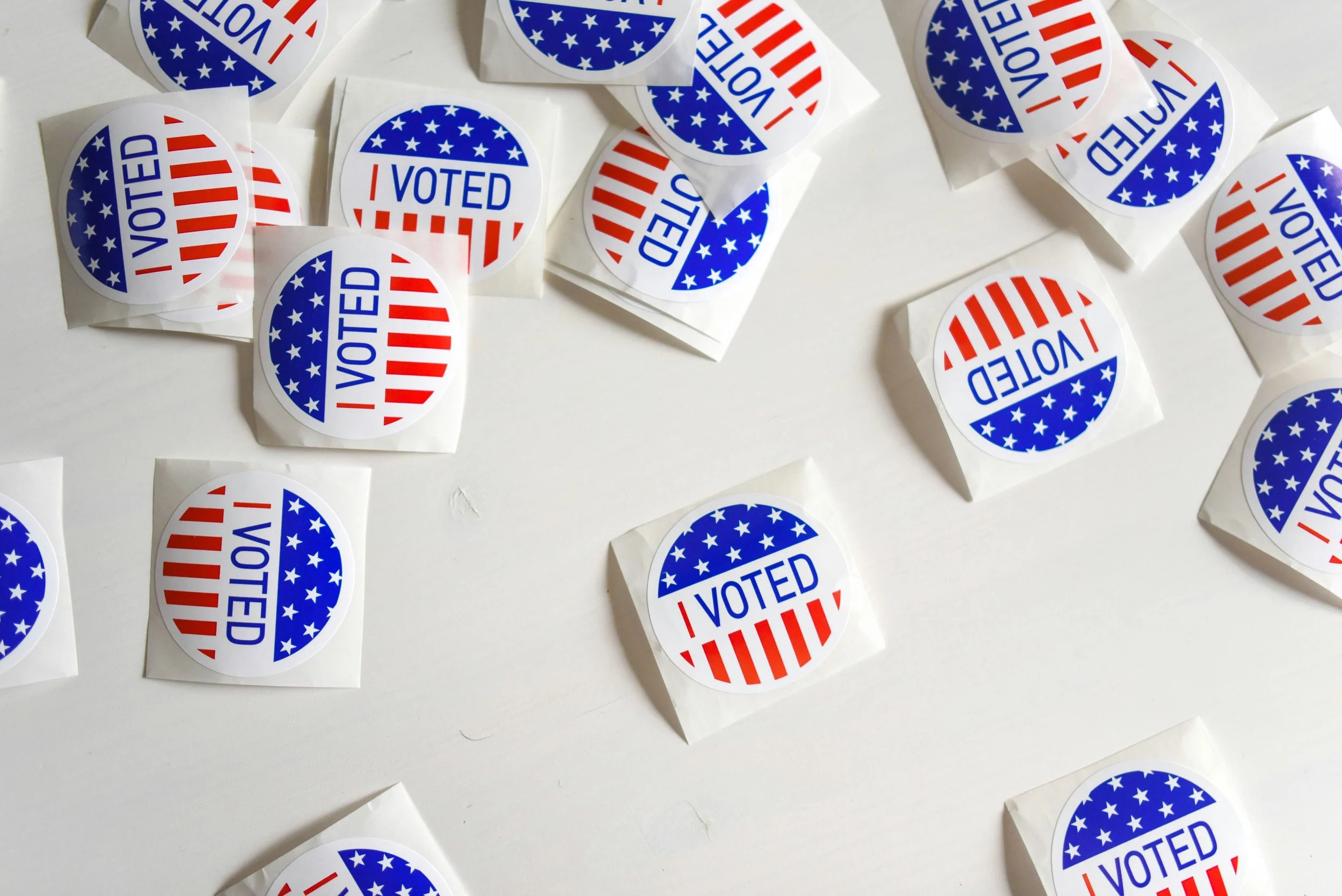
Out of 5.5 million ballots cast, North Carolina’s 2024 Supreme Court election was determined by a margin of just 734 votes. After six months of protests and disputes over ballot counting, Jefferson Griffin conceded defeat to Allison Riggs [3]. As shown by the tenth of a percent difference in results between the two candidates, the race clearly divided the state along ideological and partisan lines. But what do such divisions mean for a branch of government that is supposed to be non-partisan?
By Kiana Raoufiniai
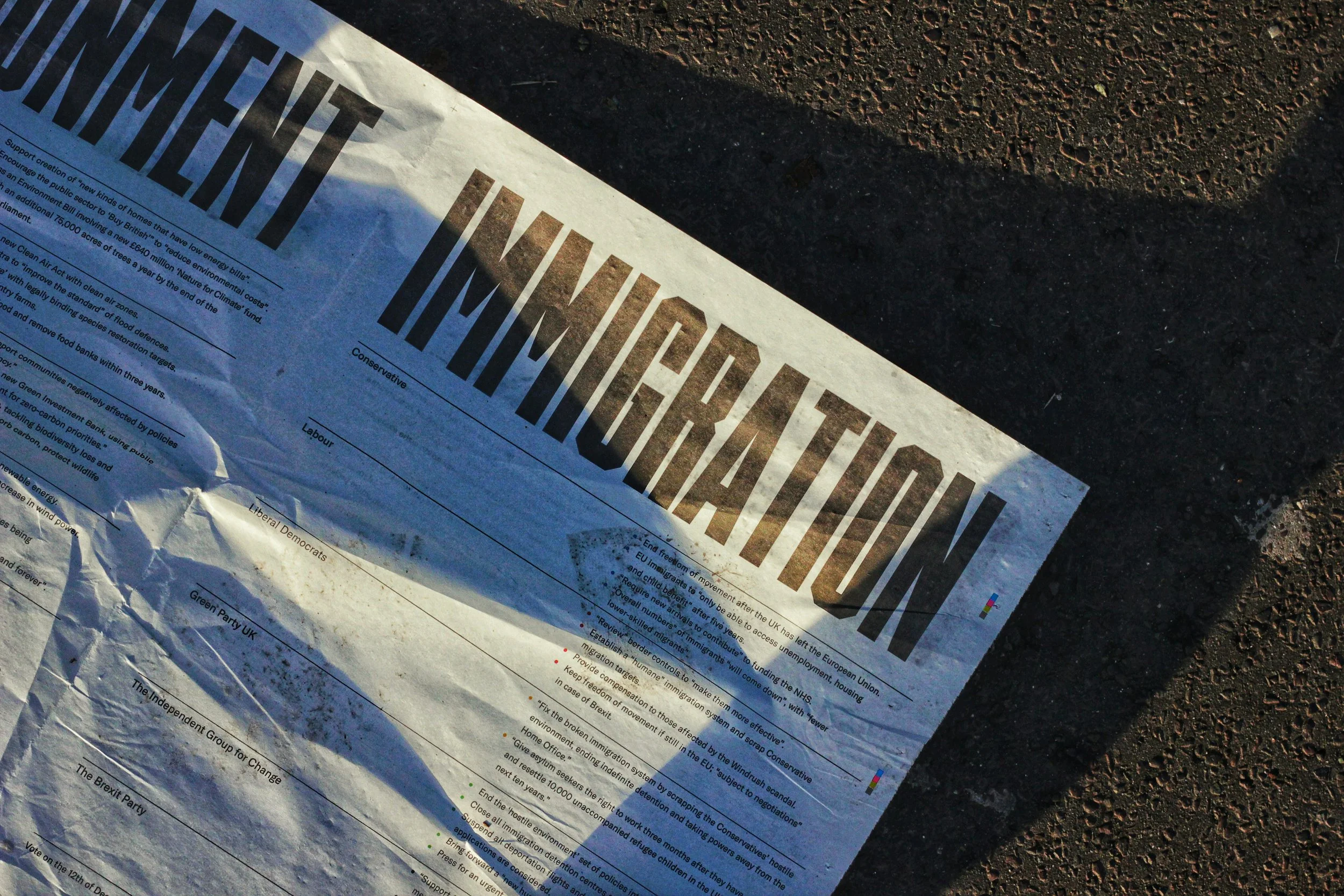
Artificial intelligence is revolutionizing the landscape of administrative decision-making in the United States. Algorithmic systems are increasingly tasked with determining individuals' rights and immigration status. Supporters of the technology argue that technological automation will accelerate notoriously lengthy immigration proceedings and eliminate human error. However, fully integrating AI into areas as critical to the American experience as immigration raises questions about due process, accountability, and discrimination.
By Alex Precourt
The American bail system rests uneasily between two constitutional imperatives: the protection of individuals' liberty and the preservation of public safety. This tension is particularly evident in pretrial detention decisions involving defendants with prior violent convictions. When judges deny bail based on a prediction of dangerousness, they confront a constitutional question at the core of American due process: Does preventative detention before conviction undermine the presumption of innocence and violate the Eighth Amendment’s protection against excessive bail?
By Harrison Green
The separation of powers, which divides governmental authority among the three federal branches, is the core structural feature of the American government. One of the biggest challenges to this system today is the massive amounts of delegated power held by unelected administrative agencies. The following analysis will establish that the main principle used to limit that power, the nondelegation doctrine, must also be applied internally to the federal judiciary.
By Max Zinkin
Fizz, the social media app that provides a private anonymous message board for college and high school students, has, since its founding in 2021, established itself on more than 620 campuses and has raised $41 million in funding as of September 2025. [1] At each school, Fizz is monitored primarily by students at that same school. The app is expanding rapidly, quadrupling its active user-count in the past few months. While Fizz has a “promise of wholesome community building,” it has also faced controversy.
By Ameera Mehan
The Trump Administration’s executive orders concerning the implementation of heightened tariffs on a global scale, including in respect to allies such as Canada and the United Kingdom, are raising constitutional concerns over the contemporary expansion of executive power. However, uncertainty regarding the rightful separation of powers amid an energetic executive is not a novel discourse.
By Lawrence Wu
When Hurricane Ida struck New York in 2021, water flooded the subway tunnels, power grids failed across the city, and lives were lost in apartments. Post-disaster recovery reached billions of dollars, the brunt of which was placed on taxpayers and not those who profited from fossil fuels. In June 2025, New York decided that would no longer be the case. The state passed the Climate Superfund Act, the second law of its kind in the nation to make major fossil fuel companies pay for the staggering costs of climate adaptation.
By Samuel Kodish
In the last few years, generative artificial intelligence has evolved from a novelty into a genuine dilemma for the music industry. Tools like Suno, Udio, and Anthropic’s Claude can now compose melodies, lyrics, and even full songs that sound remarkably similar to existing works. Because these models are trained on massive collections of preexisting material—much of which remains under copyright—they sometimes reproduce familiar fragments or stylistic patterns that echo the originals.